(P)art > MAMILLA POOL MODEL
MAMILLA POOL
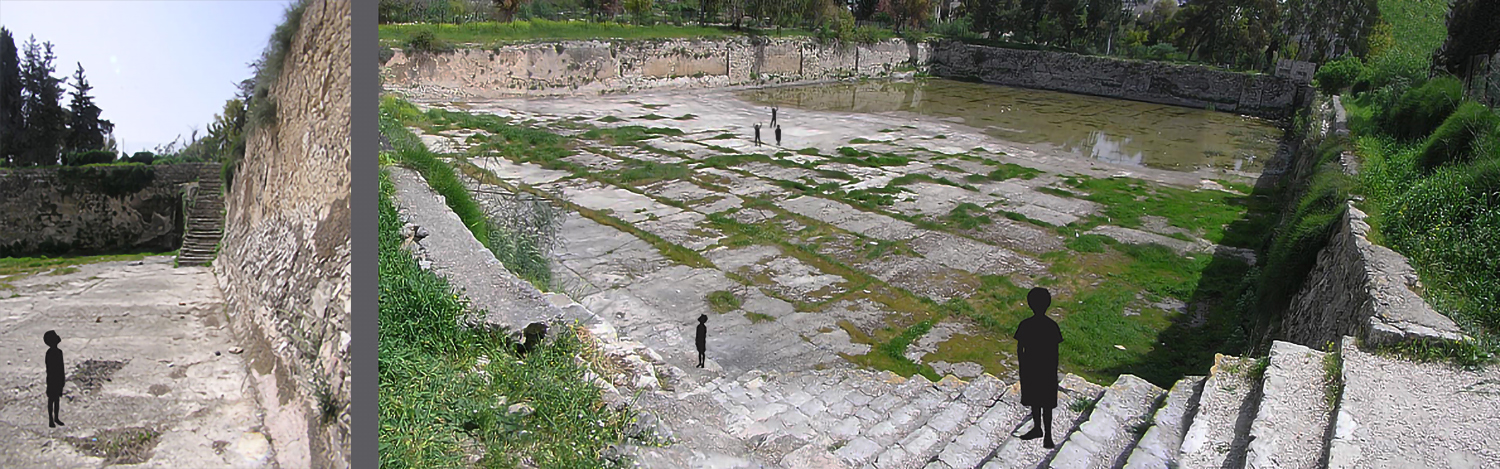
is an ancient water basin west of Jerusalem’s Old City. That’s also the name we gave to the project we wanted to carry out in downtown Jerusalem.
During a study tour through Israel and Palestine in 2000, our friend Tal Adler showed us this enormous water reservoir, which, according to some authors, is attributed to the builder Herod.
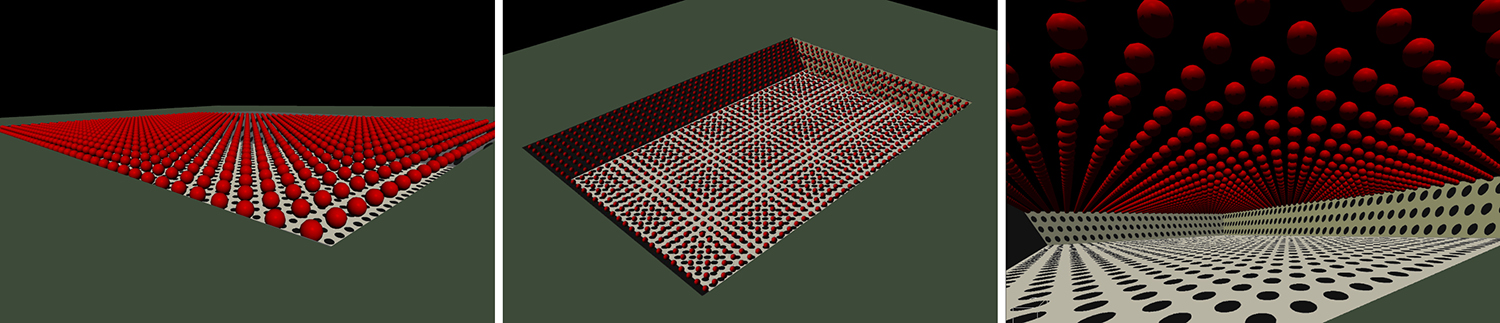
When Liron Meshulam—whom we had met in 2002 as a tutor at UNIDEE invited us to carry out a project as part of Arting Jerusalem, we returned to this “roofless space.” We developed the idea of “filling” it with 5,000 red, helium-filled balloons (each 80 cm in diameter) up to the upper edge of the basin, which were intended to look like a flying carpet or a dancing blanket.
The basin is located only about 650 m northwest of Jaffa Gate. To the west of it is Menashe Ben-Israel Street, and behind it lies Independence Park. Since the 11th century, the pool has been surrounded by a large Islamic cemetery
. However, this cemetery was gradually destroyed and built over by the construction of parking lots, streets, Independence Park, and the Museum of Tolerance.
With the balloon installation, we wanted to invite children from “both sides” of Jerusalem in particular to realize the project together with us, and in a playful activity with them, to anchor all 5,000 balloons at the bottom of the basin using the many stones scattered around. After two days, the children were then to attach a message to the string of each balloon, and then, one by one, let them rise and fly away during a celebration (“vernissage”).
When Liron tried to obtain permission for this, the Jerusalem City Administration informed us that we needed written permission from three ministries for each individual balloon, since “every single balloon poses a serious threat to Israeli public airspace.” We decided to put the project on hold.
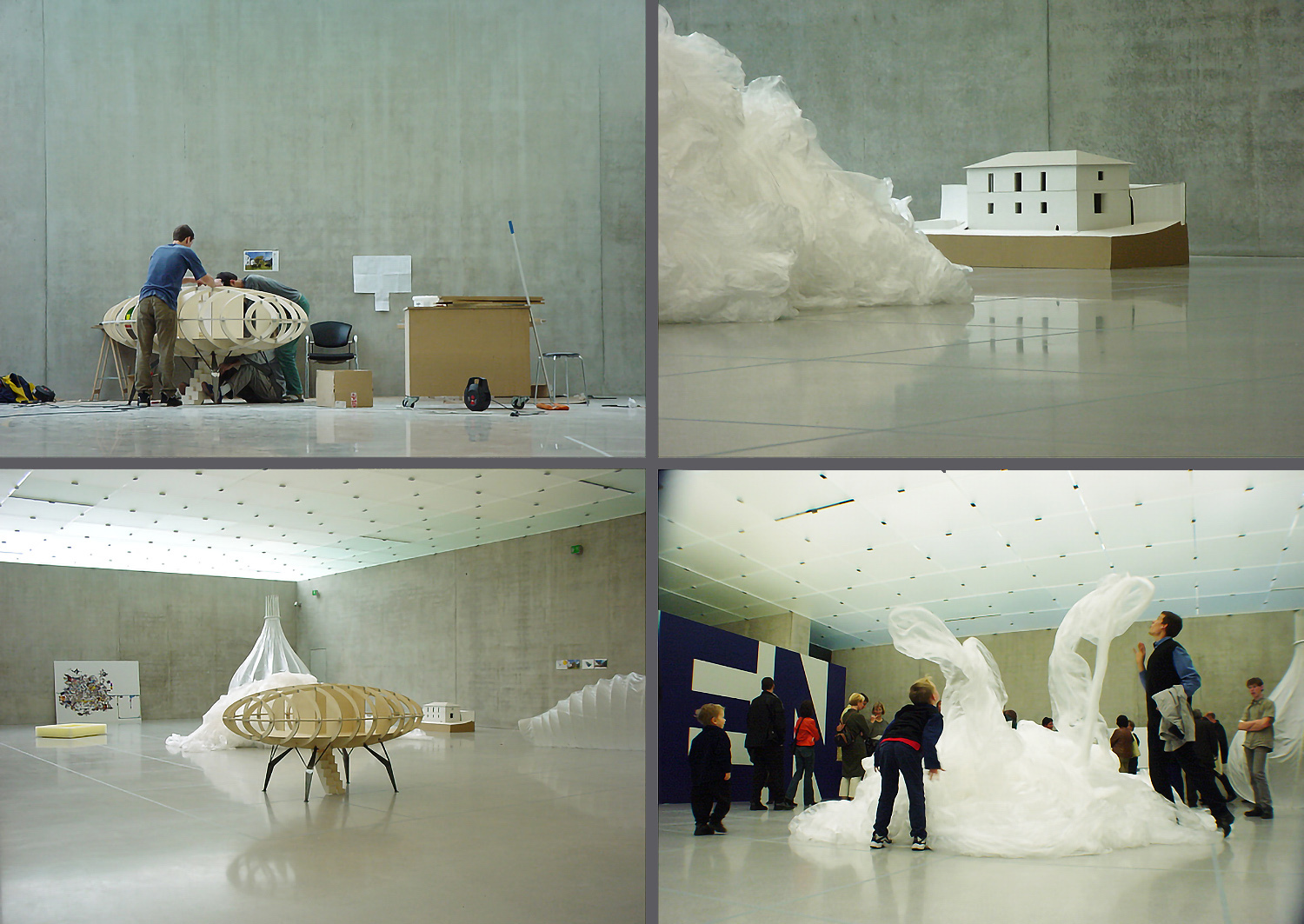
When Paolo Bianchi invited us to LKW II at the KUB seven years later, we presented the Mamilla Project as part of SPACEplace as one of nine models of works that had been realized or were planned for the future.
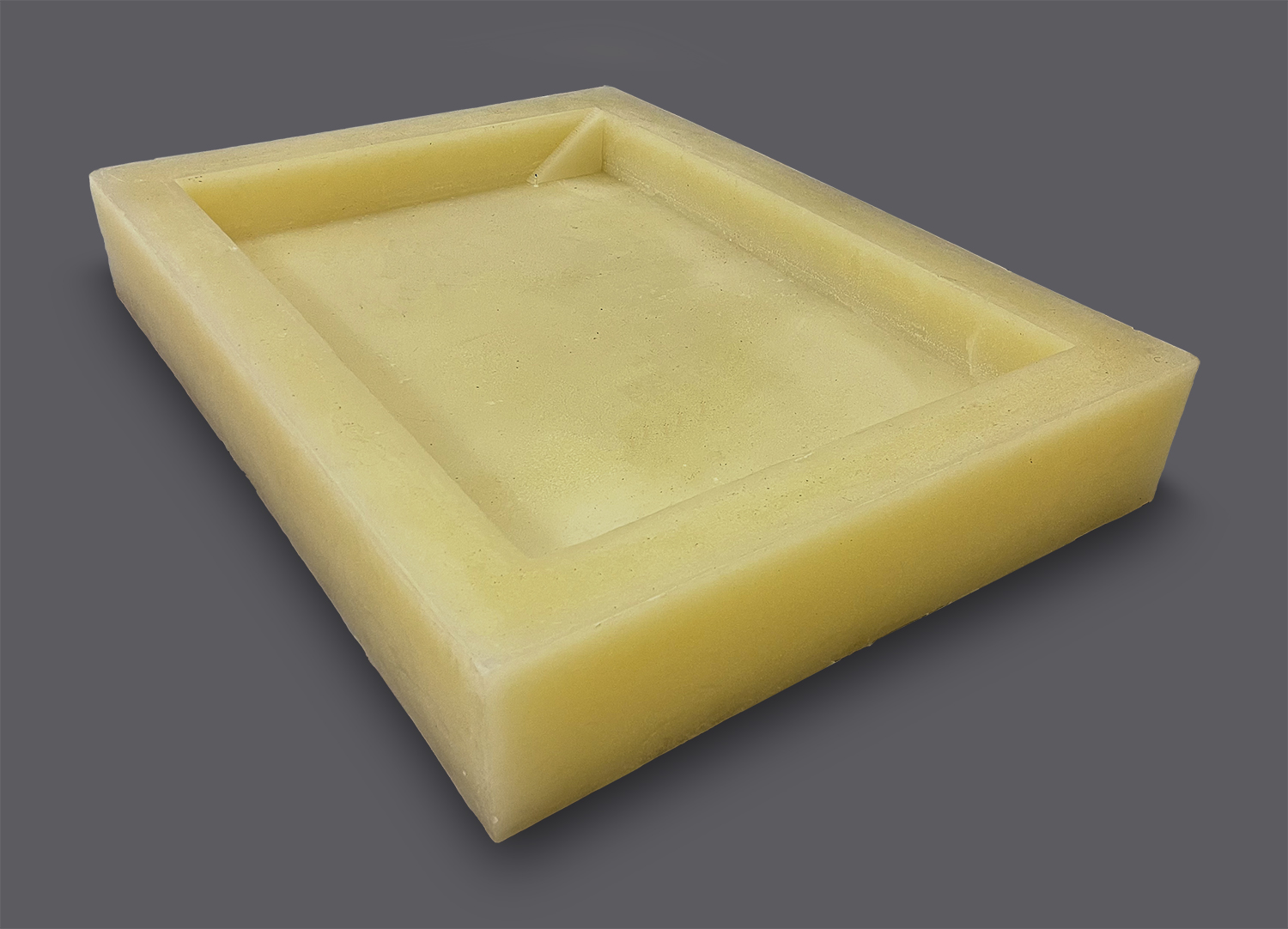
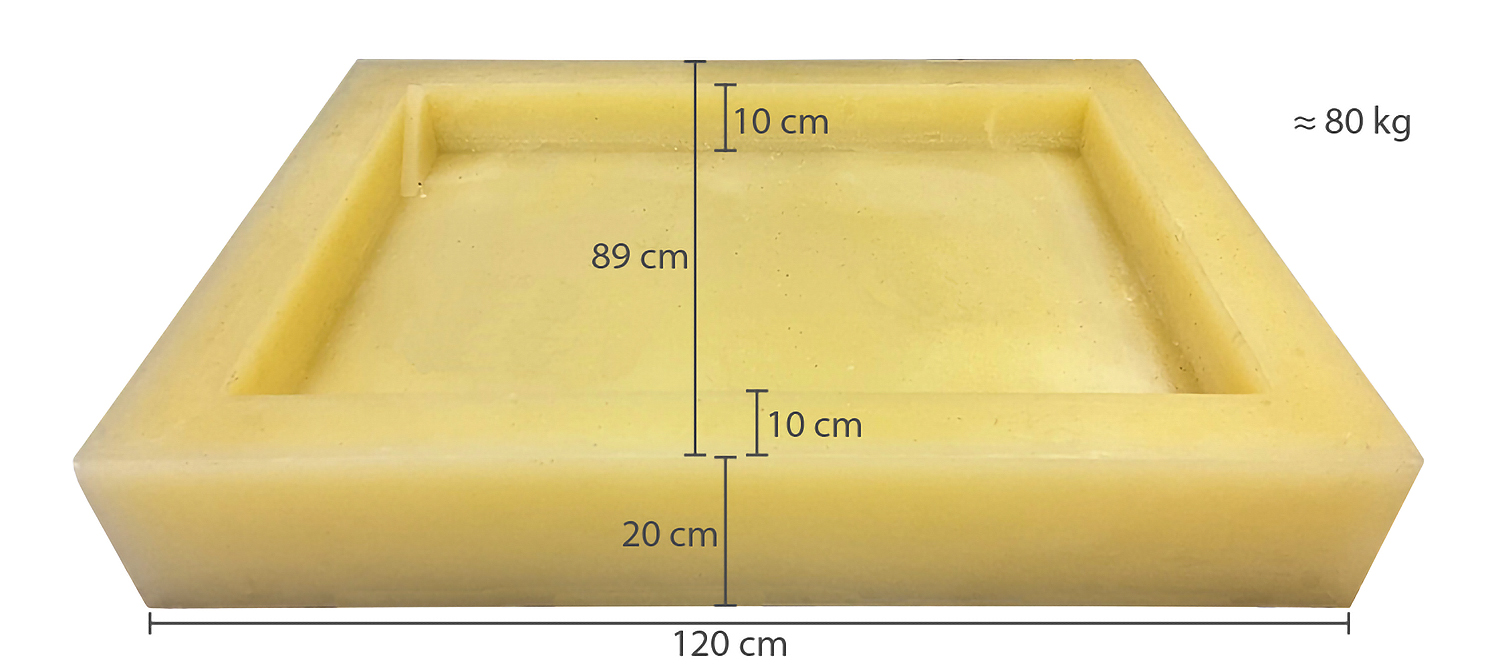
The model created at that time was cast in wax*, and, to our delight, was recently acquired by the KUB Bregenz art collection.
* The model of the pool is cast from what is known as a partial raffinate (scale wax):
This type of wax is partially purified but still contains residual oils.
As a result, it often retains a characteristic yellowish or cream-colored hue.
It is used in huge quantities for the industrial production of less expensive candles
(e.g., simple household candles or grave candles).
> image_01: the wax modell
> image_02: . . .the wax model during SPACEplace, a c a l c project from 2009 at the KUB/Kunsthaus, Bregenz, as part of LKW II—Things Between Life, Art, and Work (curated by Paolo Bianchi)
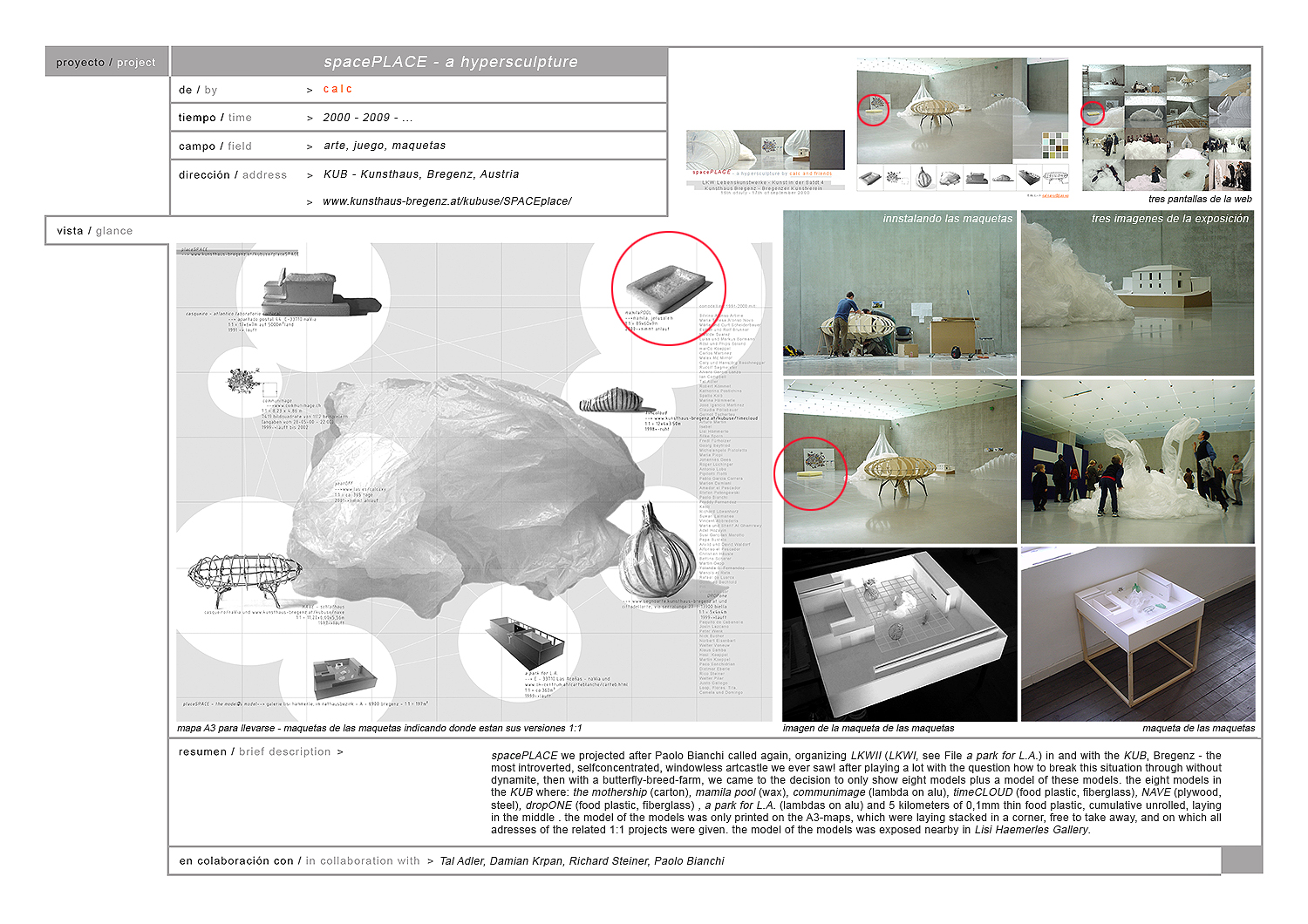
> image_03: the information sheet showing how we presented the project on calcaxy online back then (Mamilla Pool model highlighted with red circles)
> image_04: photos of the pool in Jerusalem
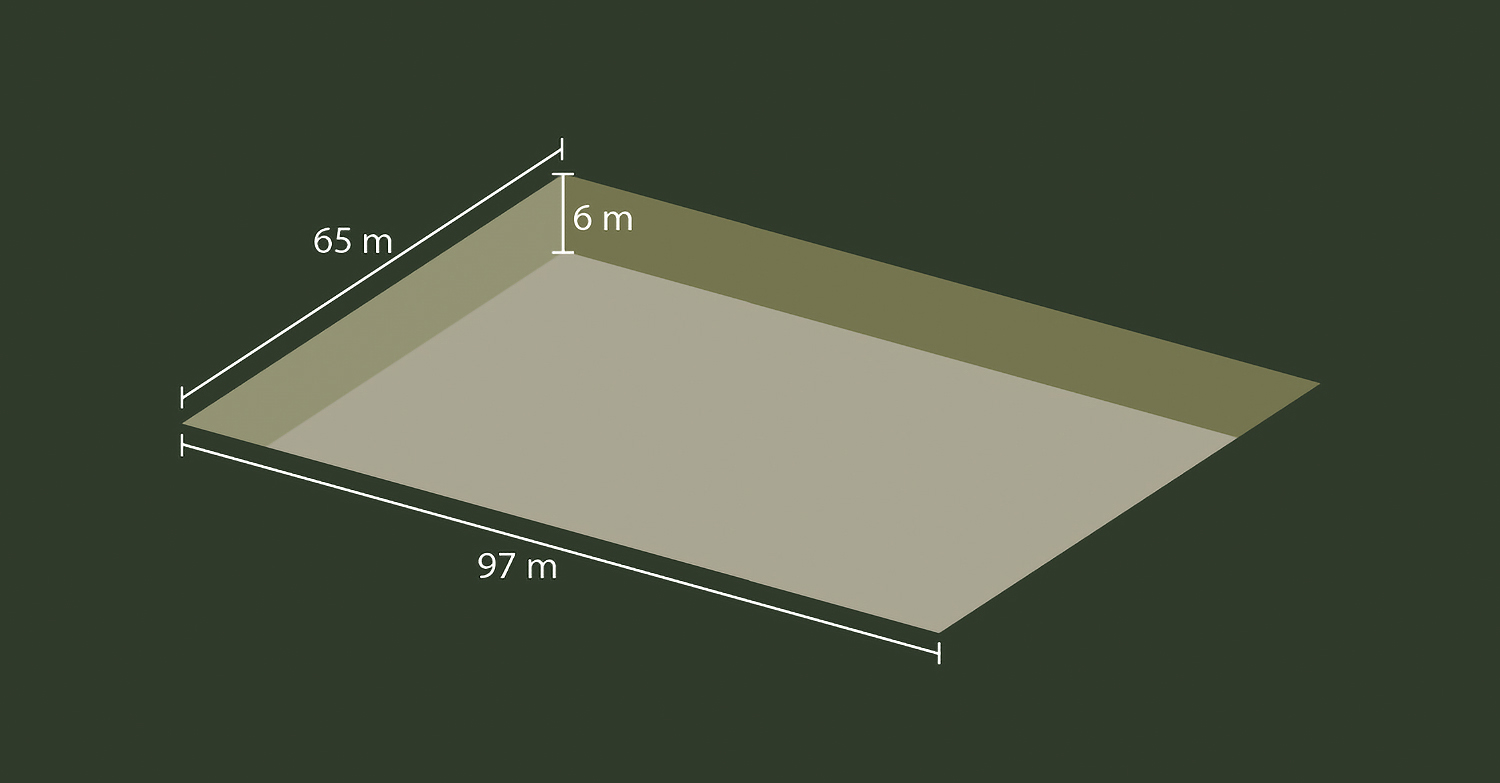
> image_05: the approximate dimensions of the pool in Jerusalem
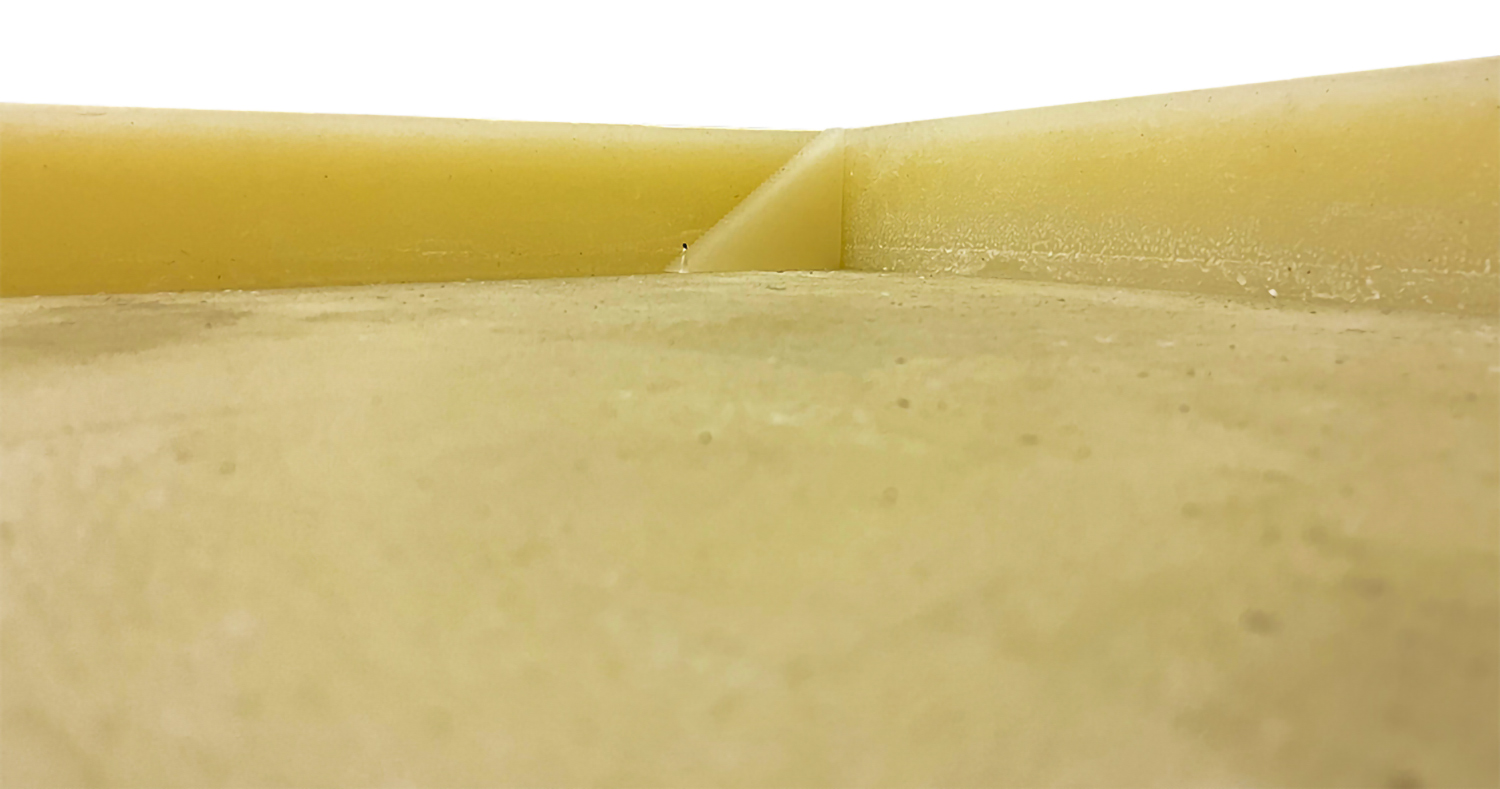
> image_06: detail of the model
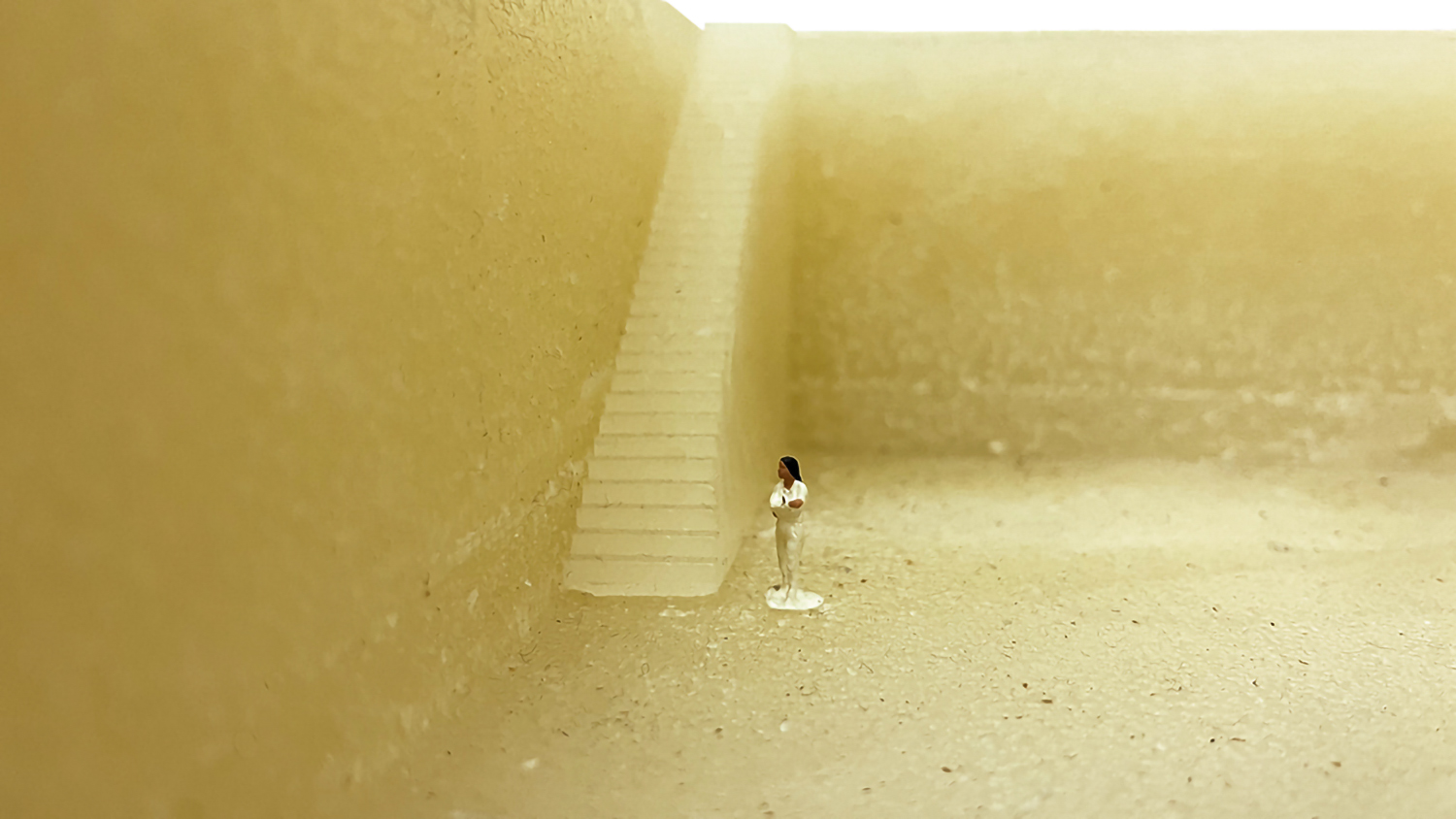
> image_07: second detail showing a size comparison
> image_o8: the dimensions of the wax model
> image_09: a simulation of the balloon installation (by Ruben Alonso Mallen)